Glanville Trenchless ltd company logo.

Manhole Sealing

Overview: Introduction to Manhole Sealing

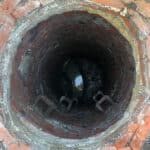
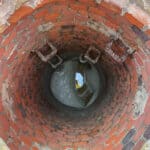
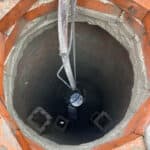
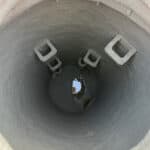
Manhole sealing is used to improve the durability and longevity of the internal structure and the voids found within manholes. It is a great way of improving the performance and lifetime of the structure. In addition, it minimises the risk of costly emergency repairs. Technically, the work requires specialist manhole sealing equipment. We choose from a range of different mortars, according to the nature and context of the manhole.

Wet Spraying Manhole Sealing

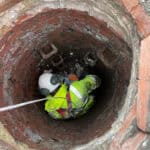
Wet spraying requires a grout pump, grout and air hoses, a spray head, a compressor, and a mixing system that is suitable for making sprayable grout.
The mortar is mixed on site using a power mixer to combine the appropriate amounts of water and additives. This is mixed into a smooth grout of plastic consistency, as specified in the technical manual.
The grout is mixed, and gravity fed into a pump. The pump is linked to a high-pressure grouting hose with a spray head.
Depending on the infiltration and the final coating thickness required, the procedure described above is repeated in several passes. The maximum spray thickness of fresh grout never exceeds 5 to 10mm per coat.

Added Benefits of the Manhole Sealing:

  • Infiltration: Sealing manholes prevents the entry of groundwater into the sewer system, which can overload the system during heavy rainfall.
  • Exfiltration: Sealing also prevents the escape of sewage or wastewater into the surrounding soil, protecting the environment and preventing contamination.
  • Reduction of Odours: Properly sealed manholes can help control unpleasant odours associated with sewer systems. This is particularly important in urban and residential areas where odour control is a concern.
  • Enhanced Structural Integrity: Sealing manholes can contribute to the structural integrity of the sewer system. It helps prevent soil erosion around the manhole, reducing the risk of subsidence and structural damage.
  • Prevention of Corrosion: Sealing materials can protect the manhole structure from corrosion. This is crucial in environments where the manhole is exposed to corrosive elements, such as wastewater or chemicals.
  • Reduction of Maintenance Costs: Sealing manholes can contribute to reduced maintenance costs by preventing the entry of debris, sediment, and other materials that may obstruct the flow of wastewater or cause blockages.
  • Compliance with Environmental Regulations: Properly sealed manholes help utilities and municipalities comply with environmental regulations by preventing the release of pollutants into the surrounding environment.
  • Improved Safety: Sealed manholes reduce the risk of accidents and injuries associated with open manholes. This is especially important in areas with high foot traffic or vehicular movement.
  • Prevention of Soil Erosion: Sealing helps prevent soil erosion around the manhole, protecting the surrounding infrastructure and ensuring the stability of the ground.
  • Prevention of Insect and Rodent Entry: Sealing manholes helps keep insects, rodents, and other pests from entering the sewer system. This is important for both public health and the integrity of the system.
  • Mitigation of Flooding Risks: Properly sealed manholes can help mitigate the risk of sewer system overflows and flooding during heavy rainfall events, contributing to improved stormwater management.

Summary

Manhole sealing is a crucial process that improves the overall performance and lifespan of a sewer system.  By sealing the internal structure and voids, it prevents infiltration, exfiltration, and odour issues.  Manhole sealing also enhances structural integrity, reduces maintenance costs, and improves safety.  This process involves using specialist equipment and materials to create a durable and watertight seal.